
Museum Exhibitions Opening This Spring: A Preview
Five compelling exhibitions are opening across Ireland this spring. We’ve visited most of them already and want to share what actually caught our attention — beyond the press releases.
Why This Spring Matters for Art Lovers
Spring’s the season when museums really shine. The light’s better, the crowds aren’t overwhelming yet, and there’s genuine energy around new openings. We’ve spent the last few weeks checking out what’s coming — visiting preview days, talking with curators, and getting a proper feel for each exhibition.
What we’ve found is genuinely worth planning around. There’s contemporary work that’ll surprise you, historical pieces that’ve been in storage for years, and a couple of exhibitions that’ve clearly had serious thought put into them. Not every opening deserves your time, but these five do.
We’ve broken down what’s worth seeing, what the actual experience feels like when you visit, and what to expect in terms of crowds and pacing. No fluff — just honest takes on five exhibitions we think you’ll appreciate.
The Five Exhibitions Worth Your Time
From contemporary art to Irish history — here’s what’s opening and why it matters
Contemporary Irish Voices: Colour & Form
National Museum of Ireland — Opens April 2
This one’s got real depth. Six Irish artists working in abstraction and semi-figuration over the last decade. What caught us was the spatial design — each room builds on the last. You’re not just looking at paintings hung on walls; you’re moving through an actual conversation between the works. The curator’s note mentions these pieces’ve been selected specifically to explore how colour can convey emotional weight without relying on representation.
Practical bit: Fridays and Saturdays get busy after 2 p.m., but weekday mornings are genuinely quiet. Budget about 90 minutes if you want to actually sit with the work. There’s a café that doesn’t overcharge — rare in museums.
Hidden Stories: Women in Irish Photography
Cork Museum of Art — Opens April 15
Photography from 1890 to 1970 — but here’s the angle: it’s all work by women photographers that’s been overlooked in archives. The exhibition’s quite moving actually. You’ll see street scenes from Dublin in the 1920s, rural portraits from the 1950s, and experimental work from the 1960s that feels genuinely ahead of its time.
The presentation’s thoughtful too. Instead of cramming everything on walls, they’ve used timeline-based rooms. Each decade gets its own space, which gives you context. Fair warning: it’s emotionally heavy at points — particularly the sections on working conditions and recognition. But that’s the whole point. Plan 2 hours minimum. They’ve also got a proper research library if you want to dig deeper.
Craftsmanship: Traditional Irish Textiles
Craft Council of Ireland — Opens May 1
If you’re interested in how things are actually made, this’ll fascinate you. Hand-woven textiles from the last 200 years — linen, wool, complex patterns that took weeks to produce. What’s remarkable is how practical it all was. These weren’t decorative; they were functional pieces that also happened to be beautiful.
The exhibition includes working demonstrations on certain days (Tuesdays and Thursdays, 2–4 p.m.). Watching someone actually operate a traditional loom is worth the trip alone. It gives you genuine respect for the skill involved. The textiles themselves are displayed with good lighting, and they’ve included close-up photography showing detail work that’s genuinely intricate.

Dublin’s Georgian Legacy: Architecture & Daily Life
Irish Architectural Archive — Opens April 8
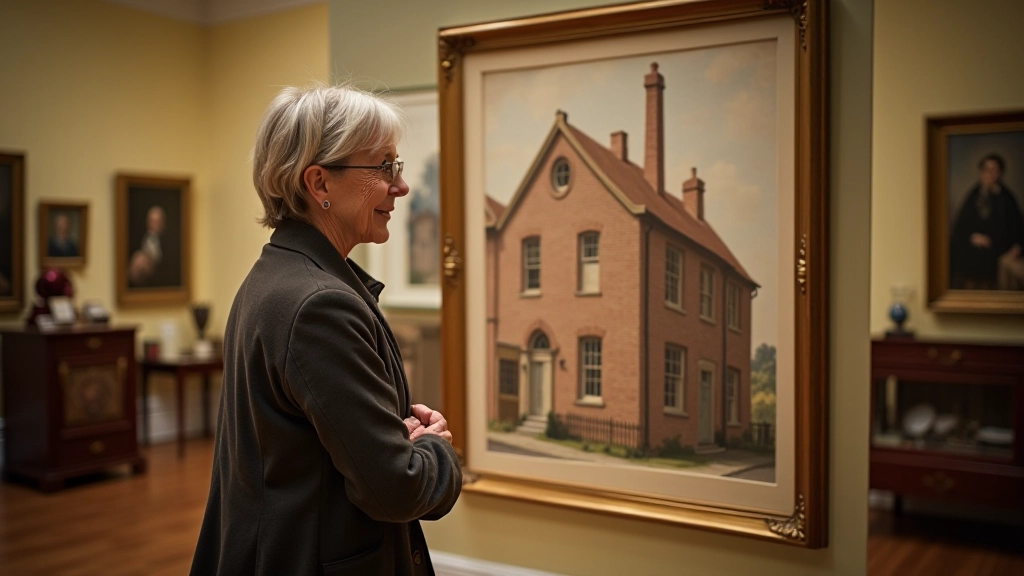
This is a solid historical exhibition that actually makes Georgian Dublin feel present. Original architectural drawings, household objects, street maps, and period photographs. You get a real sense of what life was like in these elegant townhouses — not just the grand rooms but the servant quarters, the kitchen layouts, the actual day-to-day.
The clever bit is they’ve included interactive floor plans where you can see how rooms connected and how people moved through the spaces. It’s the kind of detail that transforms it from “looking at old stuff” to genuinely understanding a period. The archive’s also got a research room if you want to dig into specific buildings or families.
Contemporary Irish Ceramics: Form & Function
Kilkenny Design Centre — Opens May 8
Twenty-five contemporary ceramicists showing work that’s both beautiful and functional. Bowls, vessels, sculptural pieces — all handmade. What strikes you immediately is the variety. Some pieces are minimalist and clean; others are heavily textured. The clay work ranges from earthenware to porcelain to stoneware, and you can actually see the different properties in how they’re finished.
The exhibition includes artist talks on certain Saturdays. If you’re even slightly interested in craft, these are worth catching — you’ll learn about sourcing clay, firing techniques, and the thought process behind each piece. Many of the artists are selling work directly, so if something speaks to you, you can actually acquire it. Prices are reasonable for handmade pieces.
Planning Your Museum Visits
A few practical things we’ve learned from visiting these exhibitions:
- Timing matters. Weekday mornings before 11 a.m. are genuinely quiet. You’ll have space to actually engage with the work without crowds.
- Check opening hours. Most have extended hours on Thursdays, but not all. Worth confirming before you go — nothing worse than showing up and finding you’ve got 45 minutes instead of three hours.
- Bring a notebook. Sounds old-fashioned, but jotting notes about pieces that strike you helps cement the experience. You’ll remember more of what you saw.
- Don’t rush. These exhibitions reward actual time. Plan for at least 90 minutes per exhibition. You’re not checking boxes; you’re spending time with art and history.
- Ask the staff. Museum staff are genuinely knowledgeable. If you’re curious about something, ask. They’ll often share details that aren’t in the exhibition text.
What Makes These Exhibitions Stand Out
Curatorial Thought
Each exhibition’s been thoughtfully arranged. The curators haven’t just hung work; they’ve created sequences and conversations between pieces. That level of care makes a difference to how you experience the work.
Accessibility
All five museums have good physical access, clear signage, and staff who’re genuinely helpful. If you’ve got mobility considerations, worth calling ahead, but none of these are problematic spaces.
Context Provided
They don’t assume you know the background. Exhibition texts are clear and informative without being condescending. You’ll actually learn something about each piece or artist.
No Hype, Just Quality
These aren’t trendy blockbuster shows trying to pull massive crowds. They’re solid, thoughtful exhibitions with genuine substance. That’s actually more satisfying to experience.
Make Time for These
Spring’s the right season for this. The weather’s better for traveling between locations, you’ve got longer daylight hours, and there’s genuine energy around new openings. These five exhibitions represent solid work across different mediums and periods — from contemporary abstraction to historical textiles to handmade ceramics.
You don’t need to see all five. Pick what genuinely interests you. But if any of these resonate with you — whether it’s the Georgian architecture, the women photographers, or the contemporary ceramics — they’re worth building a museum day around. We’ve done that work for you already. You’re welcome.
Most of these exhibitions run through June or July, so there’s no rush. Plan ahead, pick a weekday morning if you can, and give yourself time to actually sit with the work. That’s when museums become genuinely worthwhile.
About This Information
This article is based on our personal visits and conversations with museum staff during preview periods. Exhibition details, opening dates, and hours are accurate as of March 2026, but we’d recommend checking official museum websites before visiting, as hours and details can change. Admission prices and any special programs should be confirmed directly with each institution. This is informational content meant to help you plan — not a definitive guide to every aspect of these exhibitions.
Related Articles