Spring Literary Festivals: What to Expect This Year
Three major literary festivals are happening across Ireland this spring. We’ve covered everything you need to know—from featured authors and workshops to parking details and ticket information.

Why Spring is Prime Festival Season
Spring brings more than just warmer weather to Ireland. It’s when the literary community comes alive with festivals that’ve been planned for months. You’ll find everything from intimate author conversations to full-day workshops, all in venues across Dublin, Cork, and Galway.
The nice thing about spring festivals? They’re not packed like summer events, but the programming is just as strong. You’ll actually get good seats, reasonable parking, and time to chat with authors between sessions. We’ve put together this guide so you know exactly what’s happening and how to plan your festival visits.

The Festivals You Won’t Want to Miss
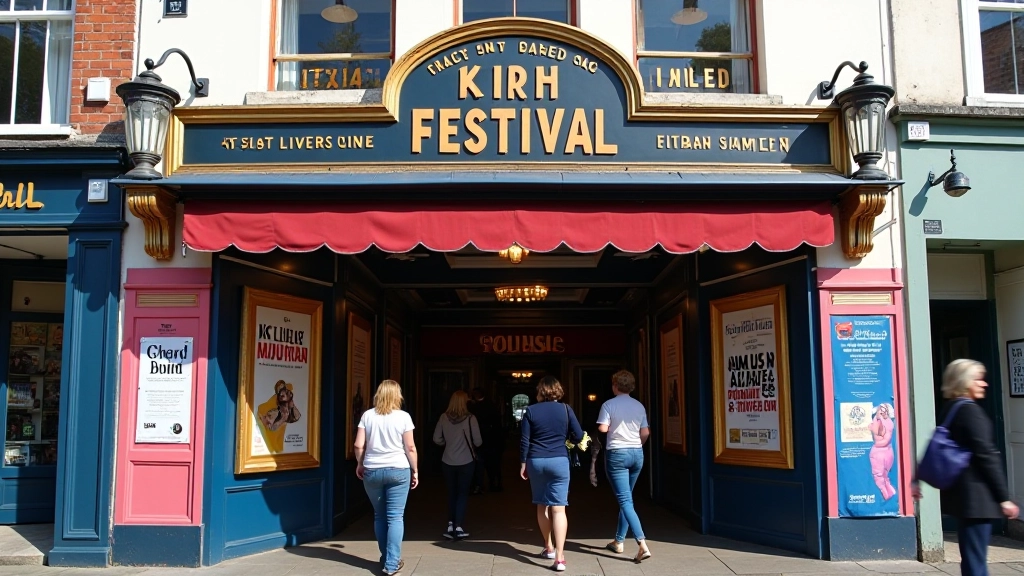
Dublin Writers Festival
April 8–12, 2026
Convention Centre Dublin
This year’s festival features 45 authors across four days. You’ve got everything from panel discussions about contemporary fiction to hands-on writing workshops. The lineup includes several writers who’ve won major prizes in the last two years. Sessions run from 10 AM to 6 PM daily, and tickets are available individually or as day passes.
What to know: Parking’s available at the Centre itself, though it fills by mid-morning on weekends. Book your spot online beforehand—saves 3. Most workshops cap at 40 people, so book early if there’s a specific one you want.
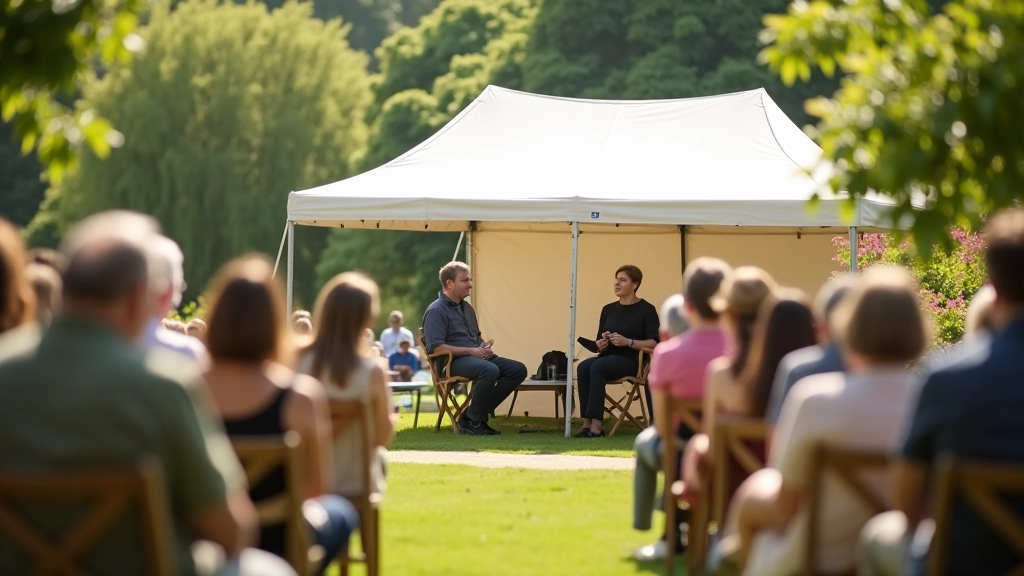
Cork Book & Authors Festival
May 2–5, 2026
Cork City Library & Fitzgerald Park
Smaller and more intimate than Dublin, but that’s actually its strength. Cork’s festival focuses on Irish authors and writers with Irish connections. They’ve got 28 authors scheduled, plus a special evening dedicated to poetry readings. The park setting makes it feel less formal—more like conversations between readers and writers.
What to know: Parking at Fitzgerald Park is limited (about 80 spaces). Street parking nearby is usually available. Most events are outdoors, so bring a jumper—it’s still chilly in early May. The library indoor sessions are first-come, first-served.

Galway Book Festival
May 16–19, 2026
Galway Arts Centre & Town Hall
Galway’s festival runs over a long weekend and has a village-fair feel despite being in the city. Thirty-two authors, plus book vendors, live music between sessions, and food stalls. It’s the most social of the three—people tend to linger and chat. They’ve got excellent children’s programming too, if you’re bringing grandchildren.
What to know: Parking in Galway city centre is tricky. The festival recommends parking at Ballybrit (about 10 minutes away) and taking the shuttle they provide. Much easier than circling the city. Events sell out less quickly here, so you’ve got more flexibility booking day-of.
Workshops Worth Your Time
Beyond the author readings, each festival offers workshops. They’re not all the same—some are genuinely useful, others are just okay. Here’s what we’d recommend based on feedback from people who’ve attended before.
Fiction Writing Fundamentals (Dublin)
Two-hour session covering plot structure, character development, and dialogue. Taught by an author who’s actually worked with multiple publishers. Not a beginner’s class—you need to have written before. It’s practical, not theoretical.
Memoir Writing for Life Stories (Cork)
Popular with people 50+. Three hours, focused on writing family history and personal narrative. The instructor’s approach is gentle—no pressure, lots of encouragement. Bring notebooks and you’ll do some actual writing in the session.
Publishing in 2026: What’s Changed (Galway)
If you’ve got a manuscript and wonder about traditional publishing, indie publishing, or self-publishing, this covers the reality of each path. Takes about 90 minutes. The speaker’s an editor who works with multiple publishers, so she knows the actual landscape, not the marketing version.

Practical Details That Matter
Tickets & Booking
All three festivals sell individual session tickets (usually 8–12) and day passes (35–45). Book online if possible—there’s usually a small discount (1–2) and you skip queues. Dublin and Cork sell out some popular sessions, especially author readings with well-known writers. Galway has more availability.
Getting There
Dublin: Bus, train, or drive. Convention Centre is on the Liffey, easy access. Cork: Drive or train. Parking at the library is 2.50/hour. Galway: Drive (parking at Ballybrit with shuttle) or bus. Trains to all three cities are reliable and on-time most of the time.
What to Bring
Comfortable shoes (you’ll be walking between venues), a notebook if you want to take notes during sessions, and cash for the book vendors. Most authors do book signings after readings, so bring a pen. Spring weather in Ireland is unpredictable—a light jumper is always smart.
Food & Breaks
All venues have cafes or nearby restaurants. Dublin’s Convention Centre has excellent coffee. Cork’s park setting has food vendors during the festival. Galway’s town centre has endless options. Plan a break mid-day—these festivals are mentally engaging, and you’ll enjoy them more if you’re not exhausted.
Key Highlights by Festival
Not sure which festival suits you? Here’s what makes each one special.
Dublin: Best for Variety
Largest lineup with 45 authors. Four days of programming means you can pick and choose. Great if you want to sample different genres and don’t know exactly what you’re looking for.
Cork: Best for Connection
Smaller, more intimate. You’ll actually chat with authors and other readers. The garden setting makes it feel relaxed. Perfect if you prefer quality over quantity.
Galway: Best for Experience
Village-fair atmosphere with book vendors, live music, and food. It’s as much about the day out as the literature. Long weekend timing means you could make it a mini-break.
Plan Your Festival Season
Spring literary festivals in Ireland aren’t just for writers or literary academics. They’re for anyone who loves reading, wants to hear authors talk about their work, or’s curious about what’s being written right now. The mix of established authors and emerging writers means there’s something for every taste.
Start by picking one festival—maybe the one closest to you, or the one with programming that appeals most. Once you’ve been to one, you’ll get the rhythm of how these things work. You’ll know whether you prefer the bigger venue or the intimate setting. And you’ll definitely find yourself coming back next year.
Ready to Book?
Visit the festival websites for complete schedules, author bios, and ticket availability. Most festivals release their full programming by early March. Book workshops early if there’s one you really want—popular sessions do fill up.
Information Disclaimer
This article provides information about spring literary festivals in Ireland based on 2026 schedules and general festival practices. Festival dates, locations, programming, and ticket prices are subject to change. We recommend visiting official festival websites directly for the most current information, ticket availability, and any last-minute updates. Parking information and venue details were accurate at the time of writing but may vary. Always confirm details before making travel plans.